
The Psychology of Creating Viral Content That People Love to Share
NEWS
3/28/2026
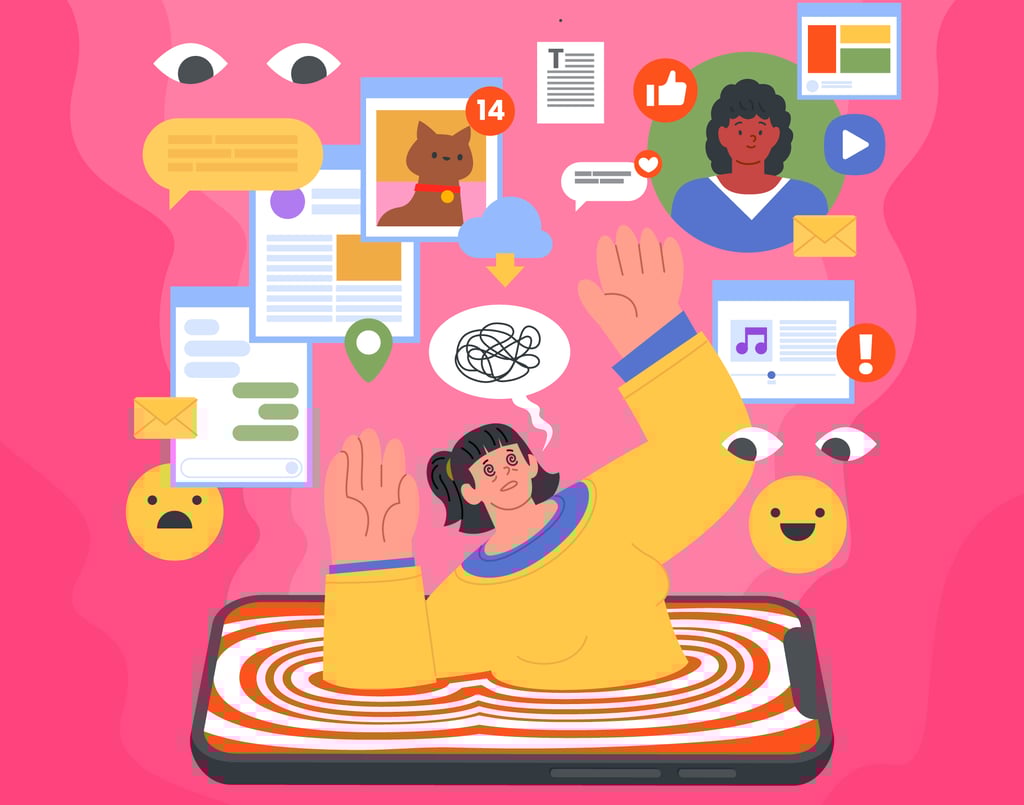
Social media today is driven by content that captures attention within seconds. With constant scrolling and increasing competition, not every post gets noticed, let alone shared. What separates average content from high-performing content is not just creativity, but understanding how people think and behave online.
This is where content psychology becomes important. When brands understand why people engage, react, and share, they can create viral content that reaches beyond their immediate audience and builds stronger visibility.
Why People Share Content
People share content for a reason. It is rarely random.
In most cases, sharing is connected to identity and emotion. When users come across something that reflects their thoughts, makes them feel something, or adds value, they are more likely to pass it on.
Common reasons people share content include:
It makes them feel relatable or understood
It helps them express their personality or opinions
It provides useful or interesting information
It entertains or adds value to their network
Understanding these triggers is a key part of content psychology, and it helps brands create content that people naturally want to share.
Emotional Triggers That Drive Virality
Emotions play a major role in how content performs. Content that creates a strong emotional response is more likely to be remembered and shared.
Some of the most effective emotional triggers include:
Relatability: Content that reflects everyday situations or common experiences
Inspiration: Messages that motivate or create a positive impact
Entertainment: Light, fun, or humorous content that people enjoy
Curiosity: Content that surprises or makes people want to know more
When these emotions are used effectively, they increase engagement and improve the chances of creating viral content.
Simplicity Makes Content More Shareable
On social media, attention spans are short. If content is complicated or takes too long to understand, users are likely to skip it.
To improve performance:
Keep the message clear and direct
Capture attention within the first few seconds
Avoid unnecessary complexity
Simple content is easier to consume, and that makes it easier to share.
The Role of Timing and Trends
Even well-created content needs the right timing to perform.
Posting when your audience is active increases visibility. At the same time, using trending formats or topics can help content reach a wider audience. However, not every trend will suit your brand.
The key is to:
Use trends that align with your message
Adapt them to fit your brand identity
Avoid following trends without a clear purpose
A balanced approach helps maintain both relevance and consistency.
Consistency Builds Long-Term Results
Viral content is often seen as a one-time success, but in reality, it is the result of consistent effort.
Brands that post regularly, test different content formats, and learn from performance data are more likely to see better results over time.
Consistency helps
Improve visibility
Build audience familiarity
Identify what works best
Instead of chasing one viral post, focusing on consistent improvement leads to sustainable growth.
Common Mistakes to Avoid
Many brands struggle with content performance because of avoidable mistakes.
Some common ones include:
Creating content without understanding the audience
Following trends without strategy
Overcomplicating the message
Posting inconsistently
Avoiding these mistakes allows brands to use content psychology more effectively and improve overall performance.
Conclusion
Creating viral content is not just about being creative, but about understanding what drives people to engage and share. When businesses apply the principles of content psychology, they can create content that feels relevant, relatable, and valuable to their audience.
By focusing on emotion, simplicity, consistency, and strategy, brands can improve their chances of creating content that not only performs well but also builds stronger connections with their audience.